Peptide Publications Archive
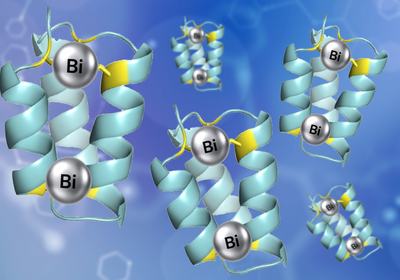
Bismuth Cyclisation Inside Living Cells
Jody Mason Lab
Cyclisation is one of the most dependable ways to make a peptide behave more like a drug, tightening its fold, sharpening target engagement, and slowing …
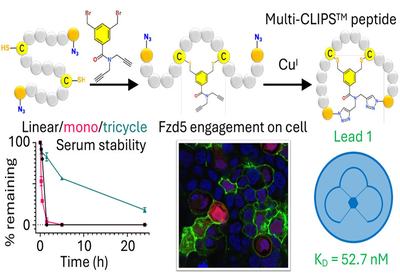
Tricycles from Display
Jongkees Lab
Tricyclic peptides offer tighter binding, better selectivity, and longer serum lifetimes than simpler macrocycles, but generating single regioisomers at the high dilution of mRNA display …
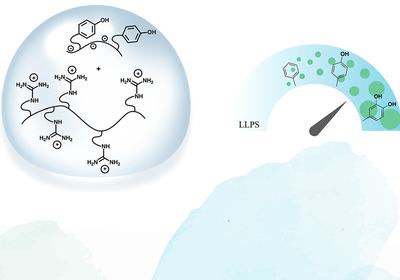
Questioning Cation–π
Gellman Lab
A long-held hypothesis holds that cation–π interactions between arginine and tyrosine side chains drive protein condensate formation. A new two-component model system built from a …
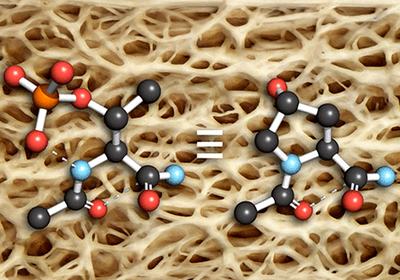
Phosphorylation Mimics Hydroxylation
Raines Lab
Collagen stability depends on 4-hydroxyproline, a permanent modification. Now, researchers show that phosphorylation of threonine at the Yaa position of a collagen triple helix mimics …
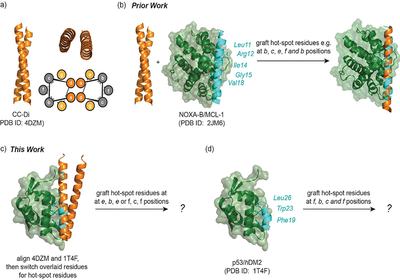
Coiled-Coil Grafting
Wilson, Woolfson, and Itzhaki Groups
Protein–protein interactions are notoriously difficult to drug, but coiled-coil peptides offer a structured scaffold for presenting binding hot spots. Researchers grafted p53 hot-spot residues onto …
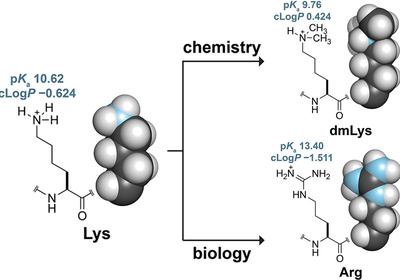
Methylating Every Lysine
Raines Lab
Replacing lysine with arginine is the standard move in protein engineering, but it changes charge geometry, alters hydrogen-bond donors, and cannot touch the N-terminal amino …
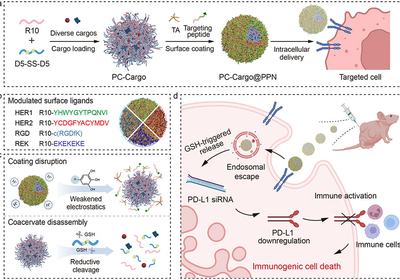
Coacervates Find Targets
Jiang, Caruso, and Liu Groups
Peptide coacervates are promising drug carriers, but poor stability and nonspecific uptake have limited their therapeutic reach. A new polyphenol–peptide network coating changes that equation, …
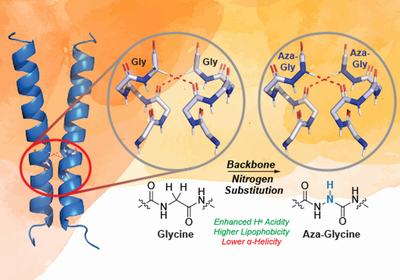
Probing GxxxG Interfaces
Newberry Lab
Glycine residues at GxxxG motifs stabilize transmembrane helix dimers through Cα–H hydrogen bonds, but their lack of side chains makes them difficult to engineer. Replacing …
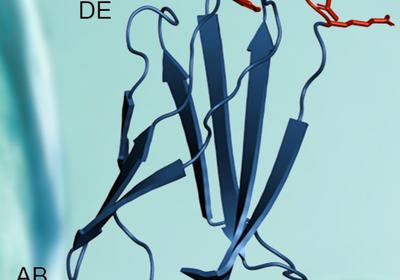
Unlocking Intracellular Space
Pei Lab
Delivering functional proteins into living cells has long been a bottleneck for biologics-based therapies. A newly engineered membrane translocation domain built on a human fibronectin …
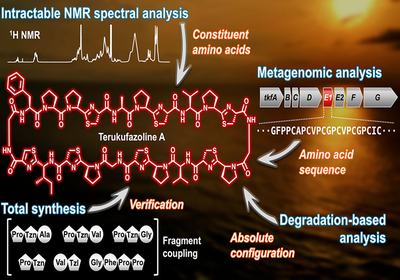
Decoding Terukufazoline
Iwasaki Lab
A 22-residue macrocyclic cyanobactin collected from a remote Japanese island proved too spectrally complex to sequence by conventional NMR and tandem MS alone. Metagenomics cracked …
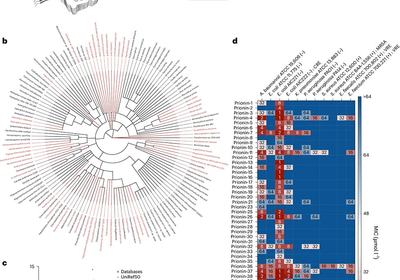
Prions Fight Back
de la Fuente Lab
Prion proteins are notorious for causing neurodegeneration, but a deep learning screen of nearly 20 million sequence fragments from prion-related proteins has uncovered more than …
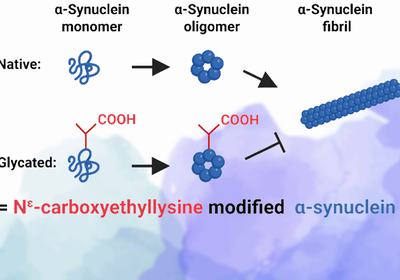
Glycation Codes αSyn
Becker Lab
A single glycation mark on α-synuclein reshapes its entire aggregation behavior, but the outcome depends sharply on which lysine carries it. A new semisynthetic platform …
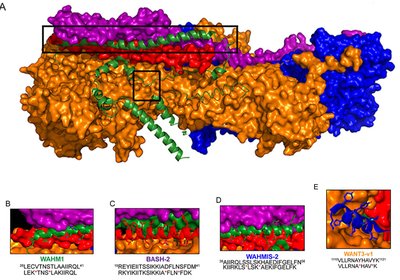
Stapling Pancreatic Invasion
Kennedy Lab
Pancreatic cancer carries a five-year survival rate of just 13%, partly because metastasis outpaces available treatments. A stapled peptide derived from the WASF3 protein sequence …
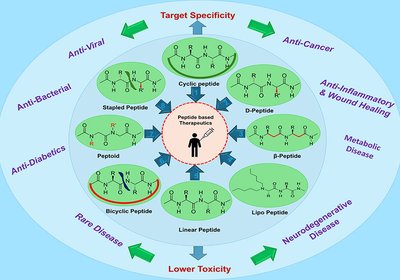
Engineering Better Peptides
Bhunia Lab
More than 80 peptide drugs are approved worldwide, yet rapid proteolysis, poor oral bioavailability, and short plasma half-life still limit the class. A sweeping new …
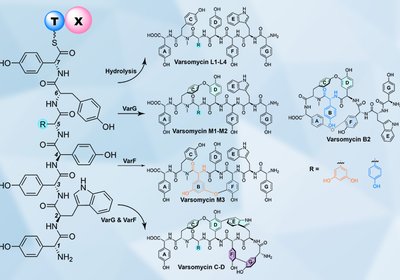
Unexpected Biaryl Rings
Xu Lab
Glycopeptide antibiotics owe their potency to a precise architecture of biaryl cross-links, but the full repertoire of those cross-links was thought to be known. Targeted …
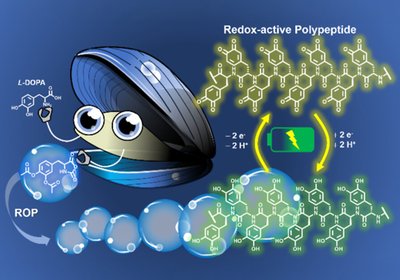
Mussel-Inspired Batteries
Wooley Lab
Catechol-bearing polypeptides built entirely from natural feedstocks can double as redox-active electrode materials and mussel-inspired binders, but getting the catechol density right proved decisive. Researchers …
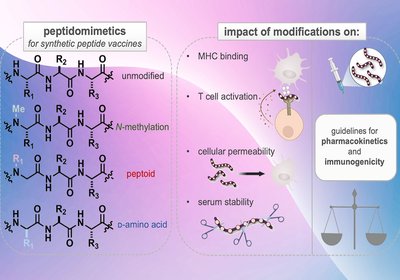
Tuning the Antigen
Pires Lab
Peptide-based cancer vaccines aim to train the immune system against tumor-specific neoantigens, and a growing share of those targets comes from post-translational modifications rather than …
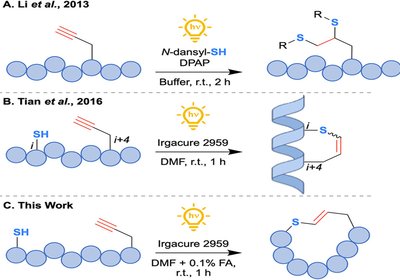
Light-Forged Macrocycles
Scanlan & Muttenthaler Labs
A photochemical thiol–yne reaction cyclizes neuropeptides under mild conditions, swapping the vulnerable disulfide bridge for a stable vinyl sulfide. One resulting oxytocin analogue proves more …
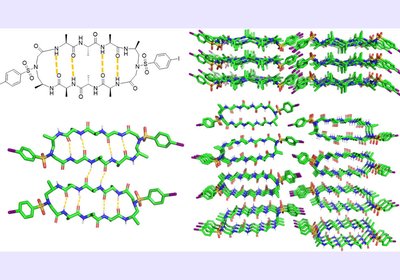
Folding the Sheet
Cai Lab
β-hairpins underpin protein recognition, amyloid assembly, and enzyme catalysis, yet engineering stable β-sheet mimics in small peptides remains stubbornly difficult. A new class of sulfonyl-modified …
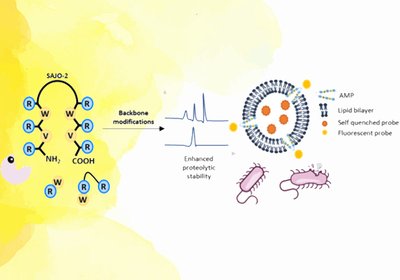
Stability Meets Breadth
Koksch Lab
Antibiotic-resistant pathogens are outpacing conventional drugs, but antimicrobial peptides offer a structural solution. By swapping L-amino acids for their D-enantiomers and adding a pentafluorinated residue, …
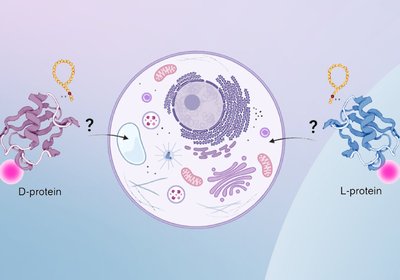
Mirror Cargo Uptake
Brik Lab
D-amino acid proteins resist proteolytic degradation and are prized as therapeutic scaffolds, yet a fundamental question has lingered: do mirror-image cargos enter cells as readily …
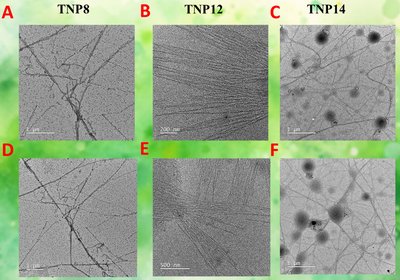
Nucleopeptides Fight Resistance
Banerjee Lab
A set of thymine-conjugated nucleopeptides, engineered with fatty acyl chains of varying length at the C-terminus, self-assembles into nanofibers and kills multidrug-resistant bacteria and fungi …
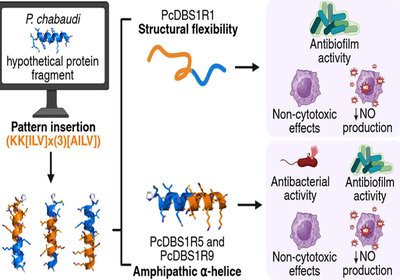
Parasite-Derived Defenders
Cardoso Lab
A protein fragment from the malaria parasite Plasmodium chabaudi holds little obvious therapeutic promise, yet a computational algorithm turned it into three peptides that disrupt …
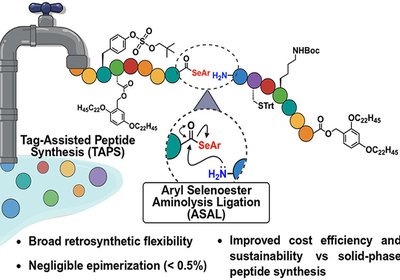
Greener Peptide Production
Payne Lab
Solid-phase peptide synthesis generates enormous chemical waste and struggles beyond roughly 50 residues. A new tag-assisted ligation strategy couples aryl selenoesters to side-chain-protected fragments in …